🇯🇵 Japan
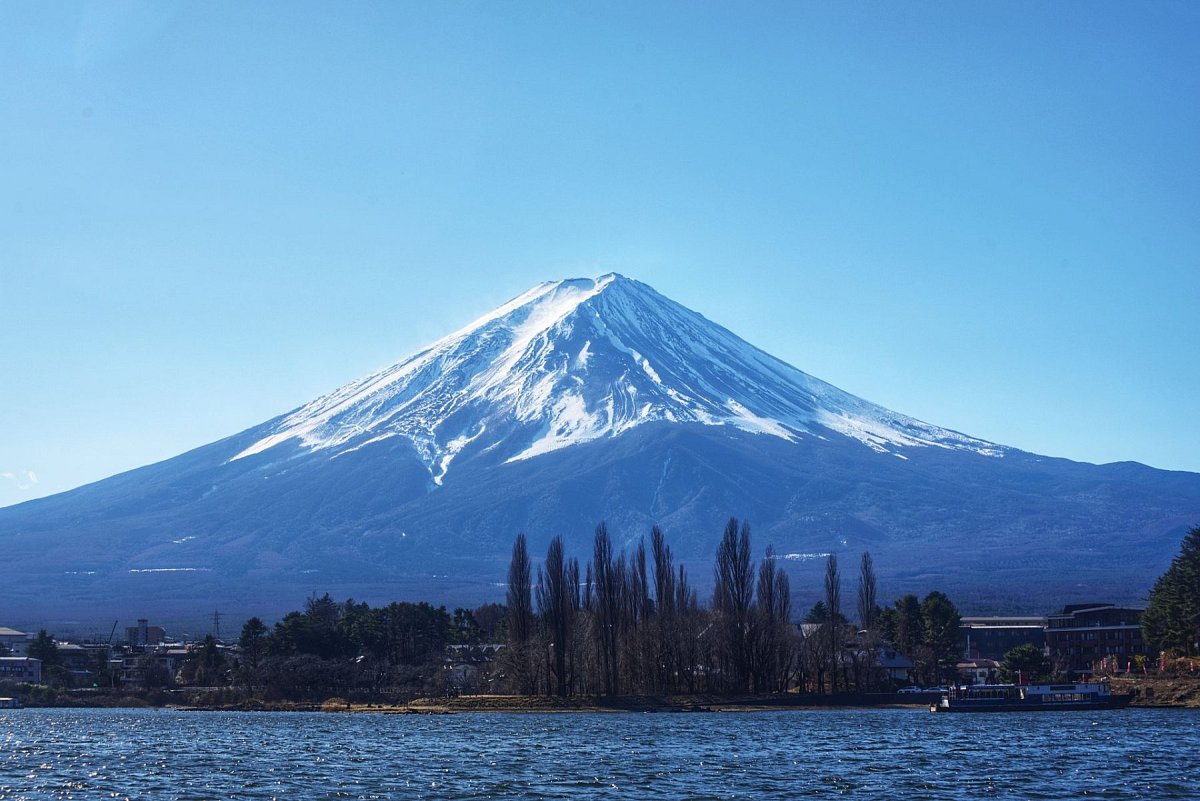
More than two-thirds of Japan is mountainous, with volcanic cones, jagged ridges and deep valleys stretching across the entire archipelago. The highest and most iconic mountain is the sacred Mount Fuji (3,776 m), a perfectly symmetrical stratovolcano, whose summit is climbed by hundreds of thousands of pilgrims and tourists every summer. However, it is the Japanese Alps in the centre of the island of Honshū that offer a truly high-mountain environment – the Hida, Kiso and Akaiši ranges, with peaks such as Kita-dake (3,193 m), Okuhotaka-dake and the jagged Jarigatake, where rocky ridges, chains and ladders are reminiscent of Alpine via ferratas. In the north, the wild Daisetsuzan National Park in Hokkaido beckons with its vast tundra and bears, whilst in the south lie the subtropical mountains of Kyushu with their active volcanoes. Japanese mountain culture is shaped by the famous list of one hundred notable mountains (Hyakumeizan), which many local hikers aim to tick off over the course of their lives. Thanks to a dense network of mountain huts, signposted trails and cable cars, Japan’s mountains are among the most accessible high mountains in the world – with the vibrant colours of autumn, mist-shrouded cedar forests and alpine meadows above the tree line.
 13 564
 60
60